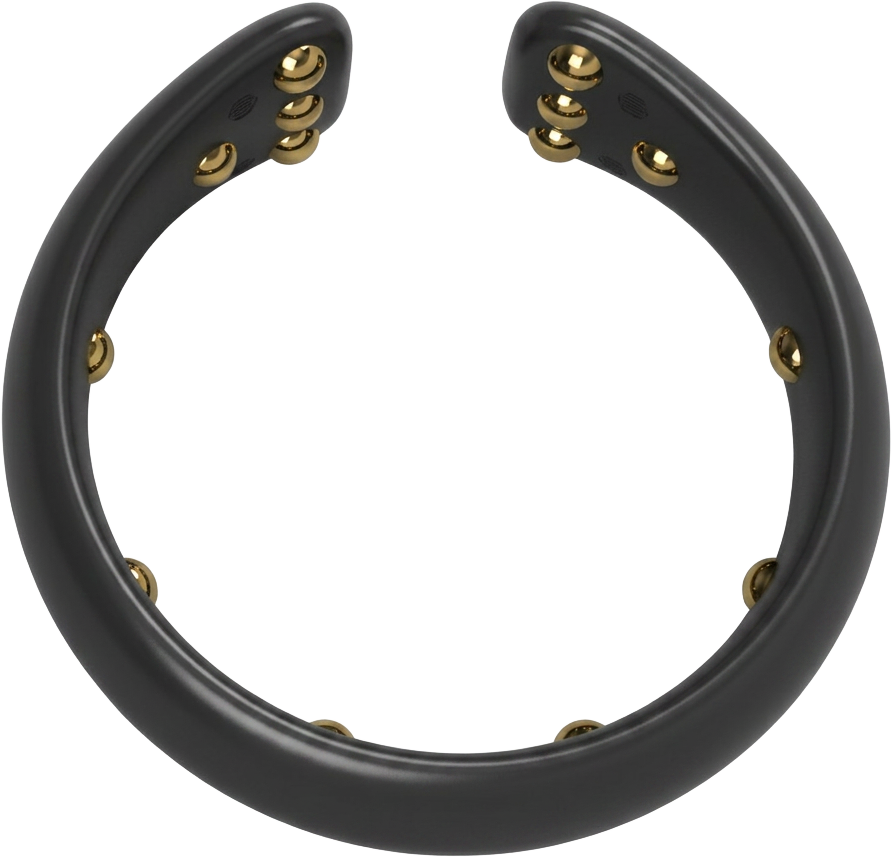
Multi-modal Dysphagia Management System
Detect. Monitor. Treat.
MODAM combines three sensing modalities in one neck-worn device, covering the full dysphagia pathway — clinic to home.

The problem
Dysphagia rehabilitation runs blind
Dysphagia affects tens of millions of people, yet therapy still relies on a clinician's hands and eyes. Patients can't see whether an exercise was done correctly, progress can't be measured between sessions, and adherence collapses the moment the patient goes home — leading to slow recovery, avoidable aspiration pneumonia, and rising costs for an ageing population.
How widespread it is:
Leading causes: stroke (~60%), Alzheimer's, Parkinson's, and head-and-neck cancer.
The solution
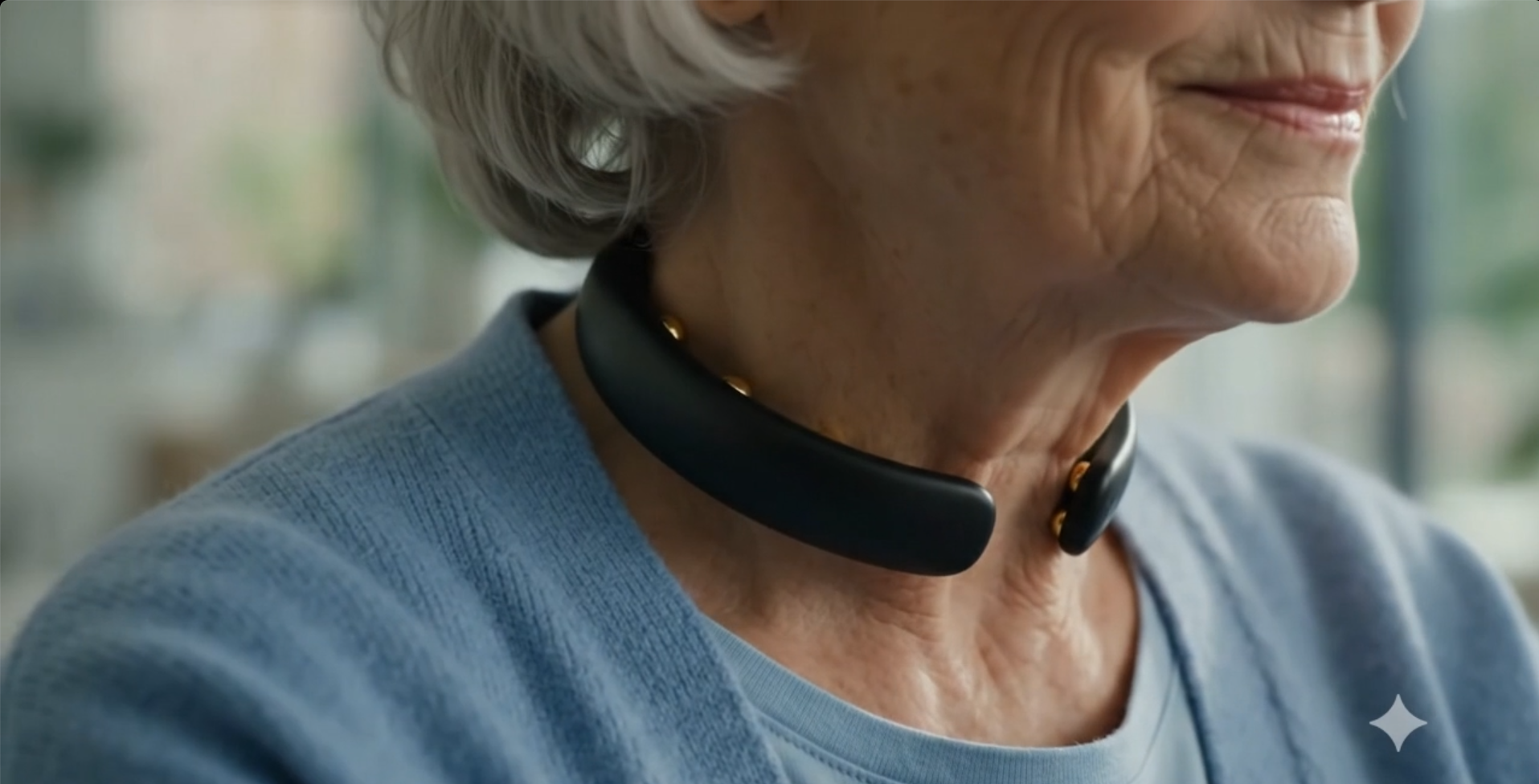
Three signals, one system
MODAM fuses three complementary signals into a single wearable collar, delivering objective, real-time data the patient and clinician can both act on — from first assessment to therapy at home.
- 1
Audio
Acoustic sensing captures swallowing and breathing sounds.
- 2
Muscles (sEMG)
Surface electromyography reveals real muscle dynamics as they fire.
- 3
Bio-impedance
Tracks larynx elevation and bolus passage through the throat.
Together they turn an invisible condition into objective data — the foundation for detecting, monitoring, and treating dysphagia.